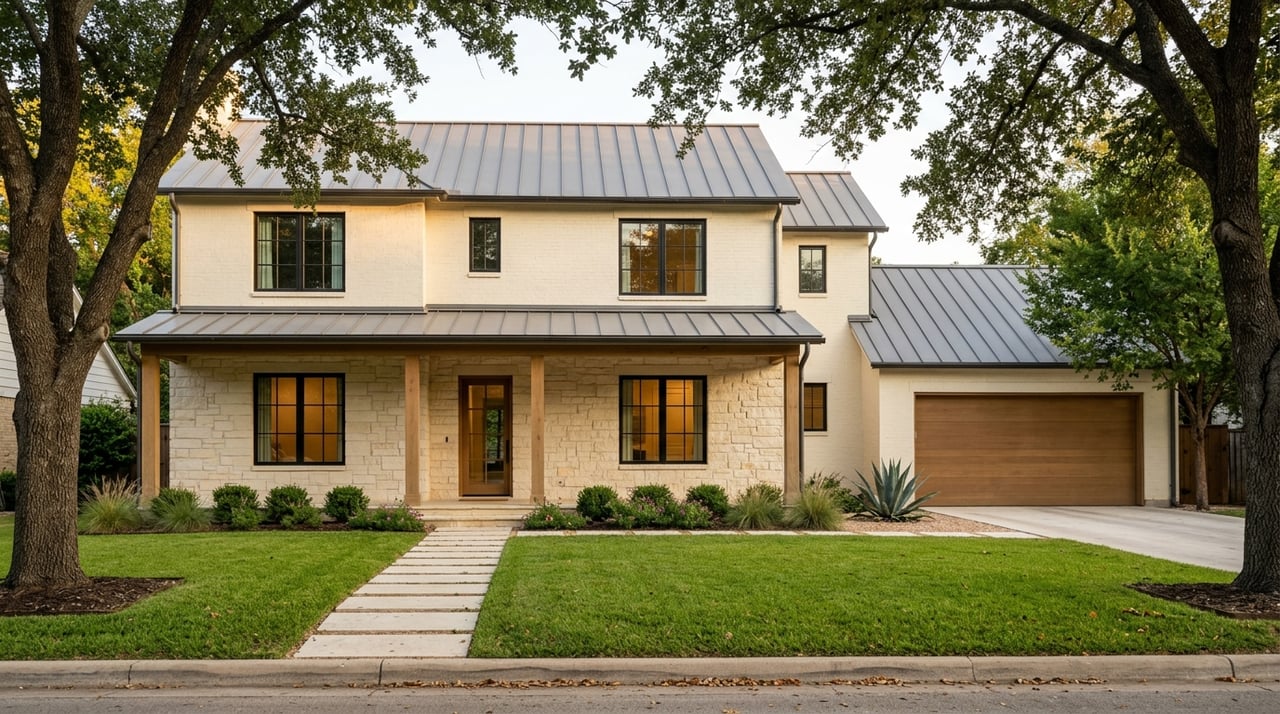
If you are searching for a central Austin neighborhood that feels established, quiet, and close to daily essentials, Tarrytown tends to stand out quickly. It offers a leafy residential setting just west of downtown and the University of Texas, with a street pattern and housing mix that feel more layered than many newer areas. If you want a clearer picture of what life here actually looks like, this guide will walk you through the neighborhood’s location, housing character, amenities, and overall rhythm. Let’s dive in.
Where Tarrytown Sits in Austin
Tarrytown is one of central Austin’s classic residential neighborhoods. According to the Tarrytown Alliance, it sits west of downtown and UT, between Lake Austin and MoPac, with Lake Austin Boulevard forming the southern edge and 35th Street to the north.
That close-in location is a big part of the appeal. You are near major Austin destinations, but the neighborhood itself reads as more residential than commercial. The area is also associated with ZIP code 78703 and Council District 10.
What the Neighborhood Feels Like
Tarrytown is known for its mature trees, established homes, and quieter street feel. The neighborhood association highlights well-tended lawns and gardens, plus easy access to Lake Austin and Lady Bird Lake, while the city’s planning documents describe a low-key street pattern that supports walking and cycling.
In practical terms, that means the neighborhood often feels calm and settled rather than busy or fast-paced. You are in central Austin, but many blocks still feel tucked away. That balance is a big reason buyers keep Tarrytown on their shortlist.
Tarrytown Homes and Streets
Housing styles vary
One of Tarrytown’s defining features is its variety. The Tarrytown Alliance describes the housing stock as ranging from historic older homes and estates to charming bungalows and everything in between.
That mix gives the neighborhood a collected-over-time character. Instead of a uniform subdivision look, you will find older Austin homes, selective remodels, and a streetscape that reflects different eras of development.
Streets follow the land
The Central West Austin neighborhood plan notes that Tarrytown blends a traditional grid with winding roads and cul-de-sacs, shaped in part by the area’s topography. It also identifies Exposition, Windsor, and Enfield as the main streets that structure the neighborhood.
That matters when you are evaluating daily life. Some areas feel more connected and direct, while others feel more tucked into the neighborhood fabric. There are also no alleys, which can influence lot layout and the overall look of each block.
Historic character shows up in real places
Tarrytown’s older housing story is not just abstract. The City of Austin describes the cottage at Mayfield Park as a historically significant bungalow-style cottage, and the Walsh House is documented as a Mission Revival-style single-family home at the southwest edge of the neighborhood.
For you as a buyer or seller, this helps explain why Tarrytown can feel architecturally layered. The neighborhood is not defined by one single home style. Its character comes from a long residential history and an evolving housing stock.
Daily Life in Tarrytown
Essentials are close by
Tarrytown is not a dense retail district, but it does offer practical convenience. The city plan identifies the area around Exposition and Windsor as a neighborhood center, with Tarrytown Shopping Center, Howson Library, the Episcopal Church of the Good Shepherd, and Austin Fire Station #10 nearby.
A second retail node sits around Exposition and Westover, near Casis Shopping Village. The neighborhood association also points to shopping, dining, service providers, and accessible medical centers as part of everyday life in the area.
The library is a neighborhood anchor
One especially useful local amenity is the Howson Branch of the Austin Public Library. It is located at 2500 Exposition Boulevard and adds a civic, neighborhood-scale convenience that many buyers appreciate.
Small anchors like this can shape how a neighborhood feels over time. In Tarrytown, daily life tends to be about nearby essentials and community institutions rather than heavy commercial activity.
Parks and Outdoor Access
Green space is a major strength
For a central Austin neighborhood, Tarrytown has excellent access to parks and outdoor destinations. The city’s park directory includes Tarrytown Neighborhood Park at 2106 Tower Drive and Reed Neighborhood Park at 2614 Pecos Street.
That kind of nearby green space adds flexibility to daily routines. Whether you want a quick walk, an outdoor break, or room to spend time outside close to home, these neighborhood parks help support that lifestyle.
Signature spots add local character
Several of Austin’s best-known recreation destinations are in or near Tarrytown. Mayfield Park spans 23 acres and is known for its ponds, heritage gardens, peacocks, and historic cottage.
Deep Eddy Pool and Lions Municipal Golf Course also help define the area’s appeal. The city identifies Deep Eddy as the oldest swimming pool in Texas, and Lions Municipal Golf Course at 2901 Enfield Road as the city’s first public golf course.
Art and nature meet at Laguna Gloria
The neighborhood also benefits from a cultural landmark. The Tarrytown Alliance includes The Contemporary Austin at Laguna Gloria within the neighborhood boundaries.
That adds another layer to the lifestyle here. Tarrytown is not just residential and green. It also offers access to a setting where art, landscape, and waterfront context come together in a distinctly Austin way.
Getting Around Tarrytown
Central location shapes mobility
Because Tarrytown is so close to downtown, UT, and West Austin destinations, location does a lot of the work. For many residents, getting around is built on short car trips, bike rides, rideshare use, and neighborhood streets that support a slower pace.
The city plan emphasizes people-oriented movement on local streets. It also states that Exposition Boulevard should remain a two-lane street with its existing bike and parking lanes.
Transit exists, but it is secondary
CapMetro serves the area through the Pickup Exposition zone, which includes Tarrytown on weekdays, and through Route 335 Exposition, which CapMetro classifies with 30-minute frequencies. Pickup is designed for short shared rides to bus stops and errands such as grocery trips, appointments, or pharmacy runs.
For many buyers, that means transit is helpful, but not the defining feature of the neighborhood. Tarrytown’s appeal is more about centrality, calm streets, and proximity to key Austin destinations.
Why Buyers Keep Watching Tarrytown
Tarrytown tends to attract buyers who want a close-in location without giving up a more established residential setting. The combination of mature trees, varied housing, neighborhood-scale services, and standout recreation is hard to replicate.
It also offers a certain kind of staying power. Because the neighborhood is both central and physically established, buyers often see value not just in the home itself, but in the broader setting around it.
What Sellers Should Know About Tarrytown Appeal
If you own a home in Tarrytown, the neighborhood story matters. Buyers are often responding to the location, architectural variety, green space, and everyday convenience as much as they are responding to square footage or finishes.
That is why positioning matters here. A thoughtful strategy should connect your property to the lifestyle buyers are seeking, while also accounting for the specific block, street pattern, lot context, and condition of the home.
A Local Perspective Matters
In a neighborhood like Tarrytown, small differences can carry real weight. Street character, remodel quality, lot setting, access routes, and proximity to parks or neighborhood centers can all shape how a property is perceived.
That is where local market context becomes especially useful. If you are buying or selling in Tarrytown, working with an advisor who understands central Austin’s close-in neighborhoods can help you weigh both lifestyle fit and long-term value with more clarity.
If you are considering a move in Tarrytown or nearby central Austin neighborhoods, Laura Greissing offers calm, data-informed guidance tailored to the nuances of this market.
FAQs
What part of Austin is Tarrytown in?
- Tarrytown is a central Austin neighborhood west of downtown and the University of Texas, between Lake Austin and MoPac, with Lake Austin Boulevard on the south and 35th Street on the north.
What types of homes are in Tarrytown?
- Tarrytown includes a mix of historic older homes, estates, bungalows, and remodeled properties, giving the neighborhood a varied and layered residential character.
What is daily life like in Tarrytown?
- Daily life in Tarrytown is shaped by a quiet residential setting, nearby shopping and services around Exposition and Windsor, local parks, and access to cultural and outdoor destinations.
What parks and recreation spots are near Tarrytown?
- Tarrytown offers access to Tarrytown Neighborhood Park, Reed Neighborhood Park, Mayfield Park, Deep Eddy Pool, Lions Municipal Golf Course, and Laguna Gloria.
How do you get around from Tarrytown?
- Most residents rely on short car trips, biking, rideshare, or neighborhood streets for getting around, with CapMetro Pickup Exposition and Route 335 serving as useful transit options.
Why do buyers look at Tarrytown homes?
- Buyers are often drawn to Tarrytown for its central location, mature trees, varied housing stock, established streetscape, and strong access to parks and everyday amenities.