If you are considering a condo in Downtown Austin, you are probably asking a bigger question than square footage or finishes. You want to know what daily life actually feels like. From walkable streets and trail access to event energy and high-rise amenities, downtown offers a very specific kind of lifestyle. Here is what to expect if you are thinking about living in a Downtown Austin condo.
Downtown Austin feels urban and active
Downtown Austin is less like a traditional neighborhood and more like a compact urban core. The city’s downtown planning framework describes it as a dense, livable, multi-modal district with strong public spaces, varied housing choices, and connections from Lady Bird Lake to surrounding areas through trails and streets. You can see that vision reflected in how residents, workers, and visitors all overlap in the same district.
That mix is part of what makes downtown feel so dynamic. According to the Downtown Austin Alliance Annual Report, downtown includes 15,330 residents, 131,833 employees, more than 12,700 residential units, 150+ acres of parkland, and 15 miles of downtown trails. In other words, you are living in the middle of one of Austin’s busiest and most connected places.
Condo living centers on towers and amenities
Most downtown condo inventory is in high-rise or mixed-use buildings, especially in the southern half of downtown. A Downtown Austin market analysis noted that more than five properties and 800 condo units had been delivered since 2016, with many newer units selling for more than $1 million.
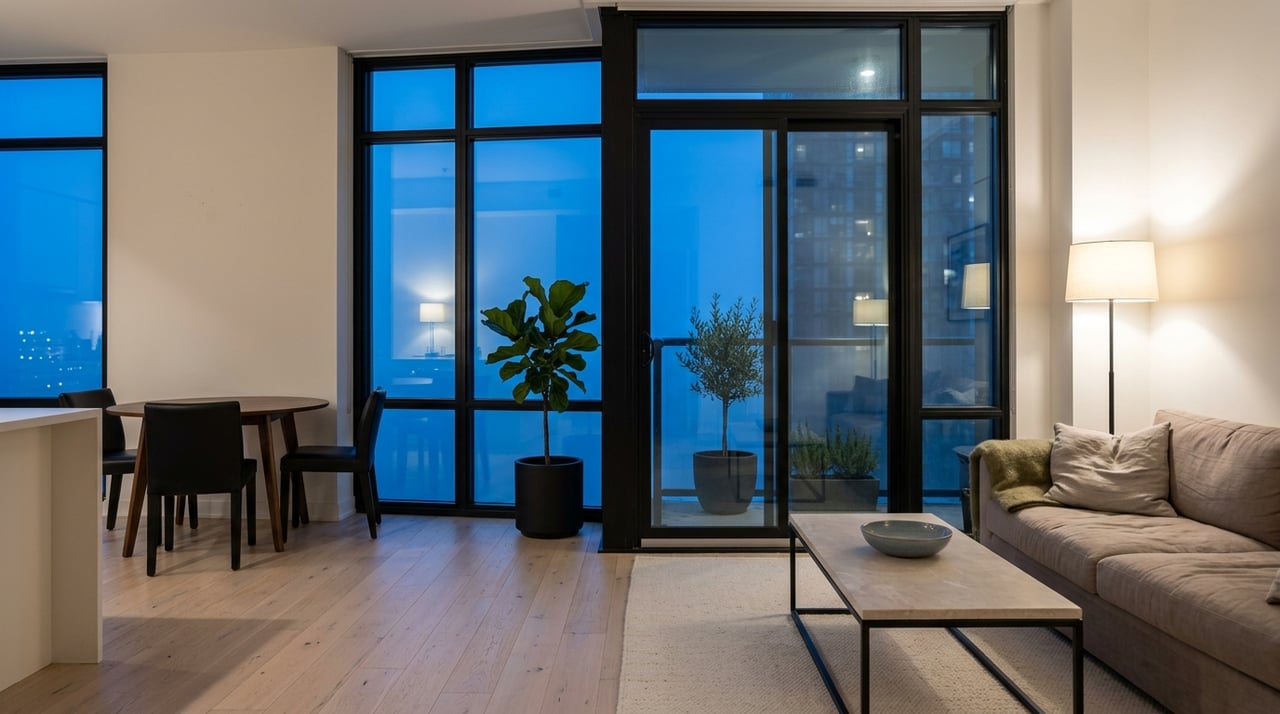
That said, downtown condos are not all the same. Floor plans range from relatively compact one-bedroom homes to expansive multi-bedroom residences and penthouses. For example, The Independent’s floor plans show one-bedroom homes from 756 square feet, two-bedrooms from 1,163 square feet, and homes up to 5,745 square feet, while Tyndall-style downtown layouts referenced in current building materials reflect the broader mix of smaller and larger plans, often with floor-to-ceiling glass, patios, or balconies.
Amenities are a major part of the condo lifestyle downtown. At The Independent, for example, amenities include a heated pool, dog lounge and park, theater, sky fitness center, yoga and barre studio, boardroom, and owner’s lounge across more than 20,000 square feet. Newer mixed-use towers such as Waterline are also being designed around extensive indoor and outdoor amenity spaces.
Daily life is easy to keep full
If you like having things to do without planning your entire day around a drive, downtown has obvious appeal. The Downtown Austin Alliance describes Congress Avenue as a major hub for retail, restaurants, bars, offices, and everyday foot traffic, while the Red River Cultural District holds the city’s largest concentration of live music venues.
Culture is woven into the area in smaller ways too. The Downtown Austin Alliance reports more than 150 public art installations and 190 historic locations downtown, which helps explain why the district feels layered and visually active rather than purely residential. You are not just choosing a home. You are choosing a setting with constant movement and a strong sense of place.
Outdoor access is a real advantage
One of the biggest surprises for some buyers is how connected downtown condo living is to the outdoors. The Ann and Roy Butler Hike-and-Bike Trail forms a 10-mile loop around Lady Bird Lake and sees more than 2.6 million visits each year. The city also describes it as an alternative transportation route for the urban core, not just a recreational amenity.
That matters in daily life. Depending on your building and routine, your morning could include a walk along the lake, a run on the trail, or a bike ride before work. Newer towers actively market that connection, with Waterline highlighting proximity to the trail, museums, theaters, live music venues, and transit.
Car-light living is possible
For many buyers, one of the practical advantages of downtown condo living is convenience. If you want a more lock-and-leave lifestyle, downtown can support that well because housing, recreation, dining, and mobility options are packed into a relatively small area.
Transit access is a real part of that picture. CapMetro’s airport service includes Route 20, which runs every 15 minutes, seven days a week, from the airport into downtown with a ride time of about 35 minutes, plus Route 483 for overnight service. CapMetro also operates the Red Line commuter rail between downtown and Leander and runs Bikeshare around the clock.
Downtown transportation is also evolving. The city’s Austin Core Transportation Plan is focused on mobility challenges in the core and is being shaped alongside major efforts such as I-35 Capital Express Central and Project Connect. So while downtown already supports car-light living for many residents, the transportation story is still changing.
The market is calmer than the frenzy years
If you have been watching Austin for a while, you may be relieved to know that the condo market has slowed from the highly competitive post-pandemic period. In the 2025 State of Downtown report, condo units averaged 123 days on market in 2024.
That does not mean every condo is easy to buy or that all buildings perform the same way. It does suggest a more measured pace, which can give buyers more time to compare buildings, review HOA details, study resale potential, and decide what kind of downtown lifestyle really fits.
Downtown condo living has clear tradeoffs
The upside of downtown is easy to understand. You get views, shared amenities, walkability, trail access, dining, culture, and a central location. But it is important to go in with a realistic picture.
Downtown is actively changing. The Downtown Austin Alliance reports 6.63 million square feet under construction and more than 2,600 residential units being added. At the same time, major infrastructure work such as the I-35 project is already affecting access to Lady Bird Lake and parts of the Butler Trail.
Parking can also be more complicated in a dense urban core. The Downtown Austin Alliance has specifically identified parking barriers as an ongoing issue in downtown. And because the district welcomed 40.2 million out-of-market visitors in 2024, you should expect more activity, more event traffic, and in many locations, more noise than you would find in a lower-density setting.
Who downtown condos fit best
Downtown condos tend to work best for buyers who value convenience, views, building amenities, and a more urban daily rhythm. They can also be a strong fit if you want a home that is easier to lock and leave than a single-family property.
They may be a weaker fit if your priorities lean toward a yard, more private outdoor space, easier parking, or a quieter street pattern. That does not make one option better than the other. It simply means downtown works best when your lifestyle goals match what the district naturally offers.
What to look at before you buy
If you are comparing Downtown Austin condos, it helps to look beyond finishes and views. A smart comparison usually includes:
- Building age and overall condition
- Amenity package and how often you would actually use it
- Floor plan efficiency and storage
- Access to the trail, transit, and daily services
- Building location within downtown
- Construction nearby and how the area may change over time
- Parking setup and guest access
- HOA structure, rules, and monthly dues
Even within downtown, the experience can vary quite a bit from one building or section of the district to another. The southern half of downtown, for example, has historically offered more open space and amenities, while parts of the north side have had a more fragmented street grid, though newer development is working to change that over time.
If you are trying to decide whether downtown condo living fits your goals, it helps to evaluate both lifestyle and long-term value together. That is where local context matters. If you want a thoughtful, data-driven perspective on Downtown Austin condos, Laura Greissing can help you compare buildings, weigh tradeoffs, and make a confident decision.
FAQs
What is daily life like in Downtown Austin condos?
- Daily life in Downtown Austin condos tends to feel active, walkable, and urban, with easy access to restaurants, live music, cultural venues, trails, and transit.
Are Downtown Austin condos all luxury high-rises?
- No. While newer inventory often skews toward luxury towers, the downtown condo market includes a range of building ages, floor plans, and home sizes, from smaller one-bedrooms to large multi-bedroom residences and penthouses.
Can you live in Downtown Austin without a car?
- In many cases, yes. Downtown supports a mostly car-light lifestyle with bus service, commuter rail access, bikeshare, and trail connections, though your exact experience depends on your building and daily routine.
What are the downsides of living in Downtown Austin condos?
- Common tradeoffs include construction activity, parking challenges, more foot traffic, more event-day congestion, and potentially more noise than you would experience in a lower-density area.
Is now a good time to buy a Downtown Austin condo?
- The 2025 State of Downtown report showed condos averaging 123 days on market in 2024, which points to a more measured, buyer-friendlier pace than the frenzy years, though each building and listing should still be evaluated carefully.