Looking for a neighborhood that feels distinctly Austin, not interchangeable with anywhere else? Clarksville stands out for exactly that reason. If you are drawn to historic character, walkable blocks, and close-in convenience, this central Austin neighborhood offers a rare mix of heritage and everyday livability. Let’s take a closer look.
Why Clarksville Stands Out
Clarksville is one of central Austin’s most historically significant neighborhoods. According to the Texas Historical Commission, its historic core is officially recognized for its importance in Black ethnic heritage, architecture, social history, and settlement patterns.
The neighborhood began as a freedman settlement after the Civil War. The City of Austin describes Clarksville as one of the first freedom colonies established west of the Mississippi in Texas, which gives the area a civic and cultural significance that still shapes how people experience it today.
Clarksville’s Historic Roots
One of the clearest ways to understand Clarksville is through its historic landmarks. The city notes that the Haskell House and the story of Clarksville remain an active part of Austin’s public history, not just a chapter from the past.
Built around 1875 by Peter Tucker and Betty Tucker, the Haskell House is the oldest registered structure in Clarksville. Today, it is managed by the Clarksville Community Development Corporation as a museum and community space, giving the neighborhood a visible connection to its origins.
The same city source also highlights Sweet Home Missionary Baptist Church, which was founded soon after Clarksville was established. Early services were held in residents’ homes before the community had the land or funds to build a church, which reflects the neighborhood’s deep roots and strong sense of continuity.
What the Neighborhood Feels Like
Clarksville does not read like a master-planned subdivision or a newer pocket of development. It feels older, more compact, and more layered, with historic block patterns and mature trees that give the area texture and shade.
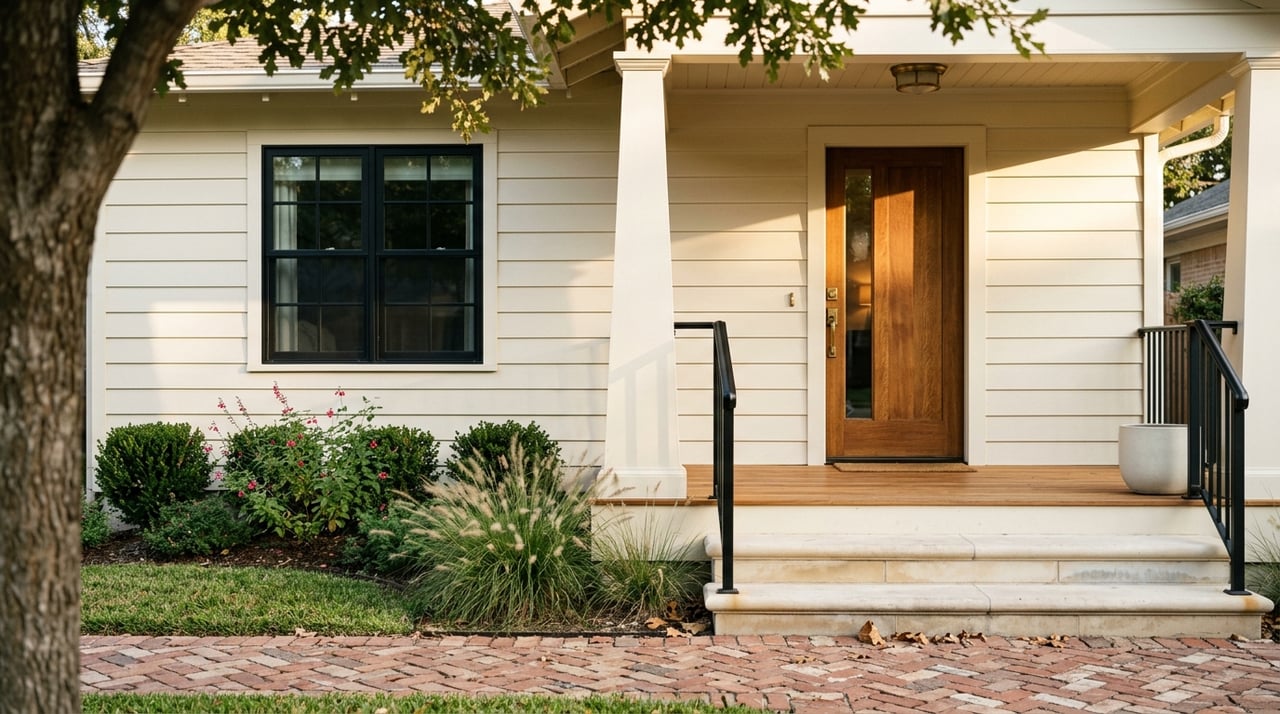
The National Register listing identifies bungalow/Craftsman and late Victorian as the dominant historic styles, with resources dating from the 1850s through the early 1920s. That architectural mix helps explain why Clarksville feels visually varied and deeply established rather than uniform.
The Old West Austin Neighborhood Plan describes the area as tightly developed and notes the importance of its canopy trees and post oaks. For you as a buyer or homeowner, that often translates into a more intimate streetscape, modest residential footprints, and a strong sense of place.
Walkability and Daily Convenience
One of Clarksville’s biggest draws is how easy it is to enjoy daily life without feeling far from the center of Austin. The neighborhood sits close to Downtown, but its rhythm is often shaped by short walks, quick coffee runs, and nearby local destinations.
Visit Austin’s guide to West Sixth Street describes the corridor as walkable and full of restaurants, bars, shops, and music venues spanning Downtown, Old West Austin, and Clarksville. That central location gives you access to city energy without requiring a fully urban high-rise lifestyle.
Within and around Clarksville, the same source points to neighborhood favorites like Pecan Square Café and Josephine House, along with nearby art destinations such as West Chelsea Contemporary and Wally Workman Gallery. For many buyers, that combination of local dining, galleries, and easy access is a major part of the appeal.
Parks, Green Space, and Outdoor Texture
Clarksville’s setting is not just about historic homes and central access. It also includes smaller-scale outdoor spaces that make the neighborhood feel livable day to day.
The Old West Austin Neighborhood Plan emphasizes pedestrian activity to neighborhood-oriented businesses, parks, and open space, along with the value of the existing tree canopy. That shade and greenery matter in Austin, especially in a central neighborhood where outdoor comfort can shape how often you walk.
Clarksville also includes the Clarksville Community Garden at the Haskell House site and the Clarksville Splash Pad at 1811 W. 11th Street. These spaces add to the neighborhood’s relaxed, outdoors-oriented feel while keeping everything close to the city core.
Homes in Clarksville
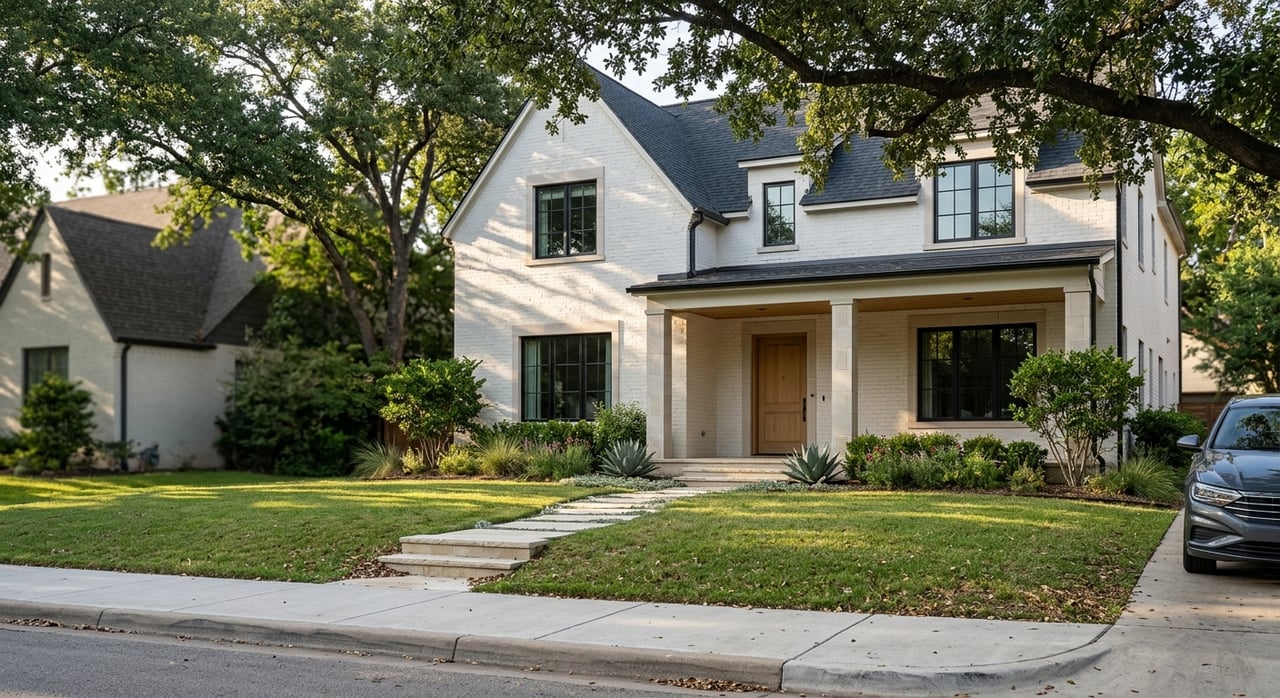
If you are considering buying in Clarksville, it helps to understand that the housing stock is part of the neighborhood’s identity. Many homes reflect older Austin development patterns, and the area’s appeal often comes from architectural character, established lots, and proximity rather than large-scale sameness.
You may see everything from historic cottages and bungalows to updated homes and newer construction woven into the existing fabric. Because the neighborhood developed over a long period, Clarksville tends to offer more variety than newer communities where homes were built within a narrower time frame.
That variety can be a strength, but it also makes careful analysis important. In a neighborhood like Clarksville, value is often shaped by a combination of location within the area, lot characteristics, architectural integrity, renovation quality, and how a property fits within the historic context.
What to Know About Historic Review
In Clarksville, preservation is not only about aesthetics. It can also affect what changes are allowed and how projects move through the review process.
Austin’s Historic Preservation Office states that properties in National Register districts should use the City’s Historic Design Standards. Exterior alterations, additions, permanent site work, signs, and new construction on historic-lot properties require historic review.
For buyers, that means renovation potential may come with added process and design considerations. For sellers, it means the neighborhood’s long-term character is supported not just by buyer preference, but also by preservation rules that help maintain consistency over time.
Why Buyers Are Drawn to Clarksville
Clarksville appeals to people who want more than a convenient map pin. It offers central access, but it also gives you a neighborhood with visible history, established character, and a daily lifestyle built around local places.
For some buyers, the draw is the walkability and closeness to Downtown. For others, it is the older housing stock, mature trees, and the sense that the neighborhood has retained its identity even as Austin has changed around it.
It can also be a strong fit for analytically minded buyers who care about location quality and long-term desirability. In central Austin, neighborhoods with a clear identity and constrained historic character often require especially thoughtful evaluation, which is where strong local guidance matters.
Why Clarksville Matters in Central Austin
Clarksville is a strong example of what makes Austin’s close-in neighborhoods so compelling. It combines a meaningful historical legacy with practical everyday advantages like walkability, neighborhood dining, and access to parks and cultural spots.
That balance is not easy to replicate. In many cities, you can find convenience or charm, but not always both in the same place. Clarksville offers both, along with a preservation framework that helps protect the qualities that make it special.
If you are thinking about buying or selling in Clarksville, having a clear read on property value, neighborhood nuance, and historic context can make a real difference. If you would like a more strategic conversation about Clarksville or other close-in Austin neighborhoods, Laura Greissing can help you evaluate your options with local insight and a calm, data-driven approach.
FAQs
What makes Clarksville historically significant in Austin?
- Clarksville is recognized by the Texas Historical Commission for its significance in Black ethnic heritage, architecture, social history, and settlement history, and the City of Austin describes it as one of the first freedom colonies established west of the Mississippi in Texas after the Civil War.
What types of homes are common in Clarksville?
- Clarksville is known for older housing stock with bungalow/Craftsman and late Victorian influences, along with a compact historic block pattern and a mix of preserved, updated, and newer homes within the neighborhood fabric.
What is daily life like in Clarksville, Austin?
- Daily life in Clarksville is shaped by walkable access to neighborhood restaurants, nearby galleries, parks, open space, and central Austin destinations, giving the area a convenient but established residential feel.
Do Clarksville homes in Austin have historic preservation rules?
- Yes. Austin’s Historic Preservation Office states that exterior alterations, additions, permanent site work, signs, and new construction on historic-lot properties in National Register districts require historic review.
Are there parks and community spaces in Clarksville?
- Yes. Clarksville includes community-oriented outdoor spaces such as the Clarksville Community Garden at the Haskell House site and the Clarksville Splash Pad, along with pedestrian access to parks and open space noted in the Old West Austin Neighborhood Plan.