If you want central Austin charm without giving up everyday convenience, Old Enfield is one of the neighborhoods that tends to stay on your radar. It offers a rare mix of historic homes, mature trees, and a calm residential feel just north of Downtown and west of the University of Texas. If you are exploring where character and location meet, this guide will help you understand what makes Old Enfield stand out. Let’s dive in.
Why Old Enfield Feels Distinct
Old Enfield is the Old Enfield neighborhood planning area in central Austin, generally bounded by Windsor Road to the north, Lamar Boulevard to the east, Enfield Road to the south, and MoPac Expressway to the west. City planning materials describe it as a close-in neighborhood with older homes, green space, and easy access to the urban core.
That combination is a big part of its appeal. You are close to Downtown Austin, major road connections, and central city amenities, but the neighborhood still reads as residential rather than commercial. For many buyers, that balance is hard to find.
Old Enfield’s Historic Roots
Old Enfield’s story is tied to the Pease estate. According to the Old West Austin neighborhood plan, the land began as a 320-acre grant, was later purchased by Governor Elisha M. Pease in 1859, and was subdivided by his descendants in 1916. The name Enfield honored Pease’s hometown in Connecticut.
The neighborhood was also shaped with a clear planning vision. A city historic zoning report notes that architect Hugo Kuehne planned Old Enfield’s streets, green spaces, and lots using City Beautiful principles. That history helps explain why the area still feels ordered, graceful, and intentionally designed today.
Historic Character With Variety
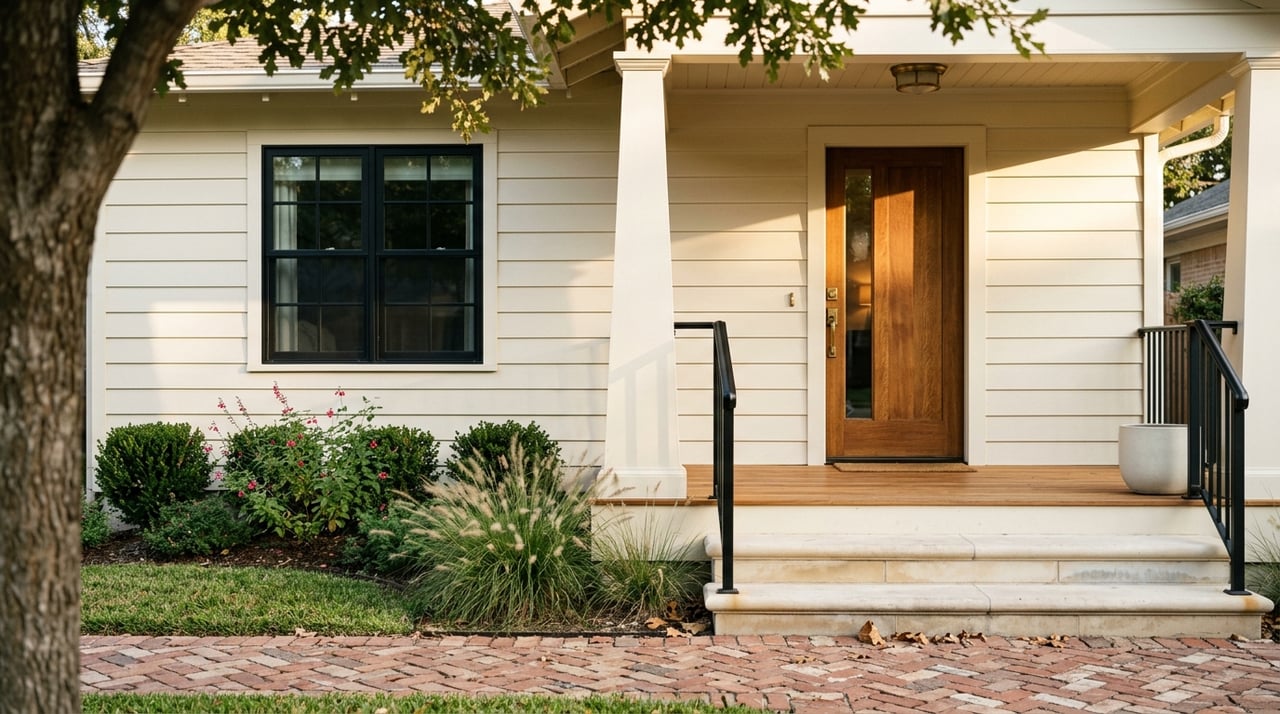
One of the most interesting things about Old Enfield is that it is not limited to one architectural look. Documented homes in the area include Colonial Revival, Italian Renaissance Revival, Prairie School, Craftsman, and Tudor Revival influences. That gives the neighborhood a layered, collected feel instead of a repetitive one.
You will also find more than just large historic houses. City planning materials describe a mix that includes colonial mansions, 1950s bungalows, and contemporary condos. For buyers, that means Old Enfield can offer more range than its elegant reputation might suggest.
What Homes Look Like Here
Within the broader Old West Austin historic landscape, single-family homes and related outbuildings make up most of the historic building stock. Apartments are relatively uncommon, and later multifamily housing is more concentrated along Enfield Road and near Windsor Road and West 12th Street.
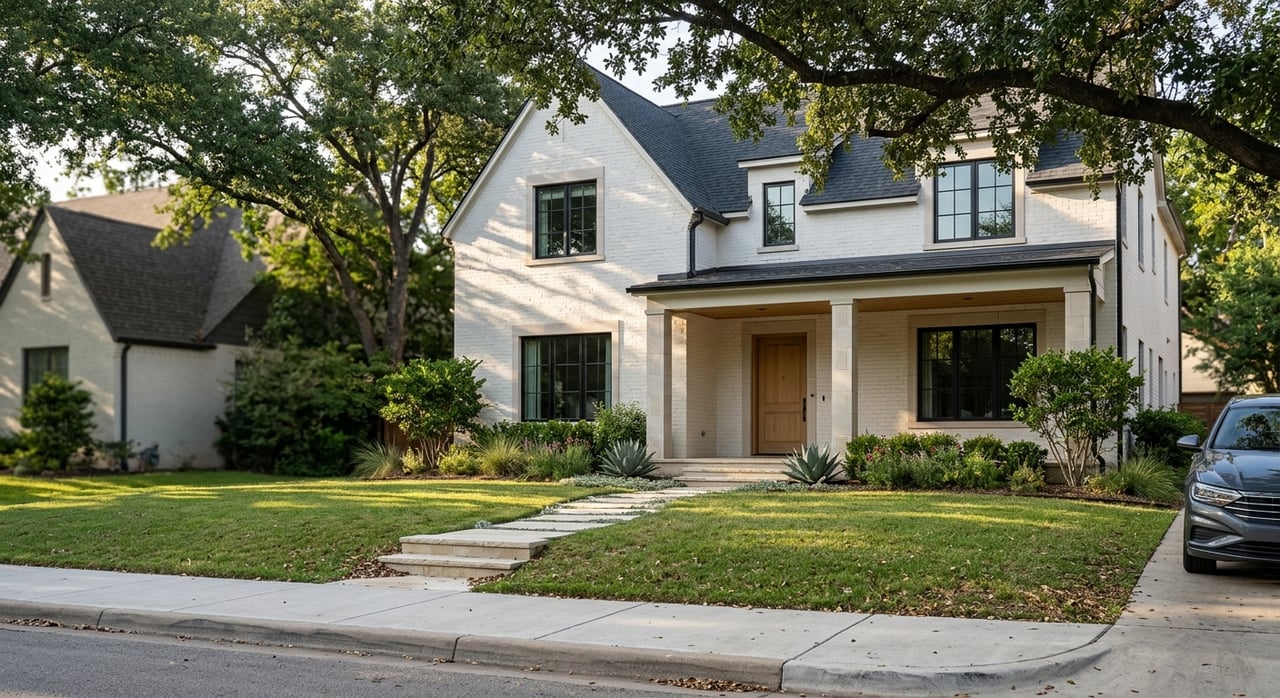
That pattern matters if you are thinking about daily feel and streetscape. In much of Old Enfield, the dominant visual rhythm is still residential, with detached homes, mature landscaping, and historic details that give the area continuity.
Features That Shape the Streetscape
The historic district documentation points to several details that contribute to the neighborhood’s identity:
- Park-like landscaping
- Stone curbing
- Retaining walls
- Minimal historic fencing
- Large setbacks and irregular lots
Taken together, these elements create the leafy, open feeling many buyers notice right away. The neighborhood often feels established and shaded, with homes that sit comfortably within their lots rather than crowding the street.
Quiet Streets, With Realistic Context
Old Enfield is often described as having a quiet residential feel, and city planning sources support that description. Neighborhood planning efforts emphasized preserving green space, protecting historic resources, and limiting commercial intrusion into the residential core.
At the same time, the neighborhood plan also acknowledged issues like cut-through traffic and speeding. So the most accurate way to think about Old Enfield is not as completely traffic-free, but as a close-in Austin neighborhood that still maintains a calm, residential atmosphere.
Parks And Green Space Nearby
Green space is a meaningful part of life in and around Old Enfield. One of the area’s best-known amenities is nearby Pease Park, which the Pease Park Conservancy describes as Austin’s first public park. The park traces back to land once tied to the Woodlawn homestead, and the Pease family donated 23 acres along Shoal Creek in 1875.
That nearby park access adds to the neighborhood’s appeal in a very practical way. It supports the sense that Old Enfield is both urban and breathable, especially for buyers who want central access without feeling boxed in.
Shoal Creek Trail Access
Austin’s Urban Trails Plan identifies Shoal Creek Trail as one of the city’s oldest trail systems and a key north-south connector through Central Austin. For Old Enfield residents, that trail connection adds another layer of convenience and outdoor access.
It is a useful reminder that the neighborhood’s charm is not only about architecture. The surrounding green network helps reinforce the area’s established, livable feel.
Why Buyers Keep Watching Old Enfield
Old Enfield draws attention because it combines history, location, and scale in a way that still feels rare in central Austin. Planning sources describe it as a peaceful urban retreat with older homes, green space, and convenient access to Downtown by way of Lamar and MoPac.
The historic record also shows that it was intentionally planned as an upper-middle-class residential suburb with generous setbacks and irregular lots. Today, that planning legacy still shows up in the way the neighborhood feels. You can sense the room between homes, the tree cover, and the visual calm that comes from a neighborhood designed with space in mind.
For buyers, the appeal usually comes down to a few core advantages:
- Central Austin location
- Historic architectural character
- A mix of larger and smaller home options
- Nearby park and trail access
- A residential setting with established landscaping
If you are comparing close-in neighborhoods, Old Enfield often stands out for feeling both refined and relaxed.
Old Enfield And Old West Austin
This is a common point of confusion. Old Enfield is not the same thing as Old West Austin, but it sits within that broader historic context.
The Texas Historical Commission lists the Old West Austin Historic District as a National Register district in Travis County, with a rough perimeter that extends from West 13th Street to West 35th Street between Lamar Boulevard and MoPac. Old Enfield is a neighborhood planning area within that larger landscape.
That distinction matters when you are researching the area. A home may be marketed as being in Old Enfield, while the broader historic context may be described as Old West Austin.
What Renovation-Minded Buyers Should Know
If you are considering a historic home, preservation context is worth understanding early. The City of Austin says local historic districts receive the strongest protection, while the Historic Landmark Commission reviews proposed changes to landmarks and historic districts. It also notes that National Register districts are largely honorific, with advisory-only review.
In practical terms, some Old Enfield properties may come with preservation considerations that affect renovation plans, timelines, or design choices. That does not mean you should avoid them. It simply means careful property-level review is important before you make assumptions about what can be changed.
A Smart Way To Evaluate Homes Here
Because Old Enfield includes everything from landmark-style estates to bungalows and some condos, it helps to evaluate each property on its own terms. Architectural appeal is important, but so are lot characteristics, renovation history, preservation context, and how the home fits your long-term goals.
This is where local neighborhood knowledge really matters. In a place like Old Enfield, value is often tied to more than square footage alone. Streetscape, setting, condition, and historical character can all shape how a home lives today and how buyers may view it over time.
If you are looking at Old Enfield as either a lifestyle move or a longer-term investment, a measured, property-specific approach tends to serve you well.
If you are considering a move in Old Enfield or want a thoughtful read on how a specific property fits your goals, Laura Greissing offers calm, data-informed guidance for buyers and sellers across central Austin.
FAQs
Is Old Enfield the same as Old West Austin?
- No. Old Enfield is a neighborhood planning area within the broader Old West Austin historic context.
What architectural styles appear in Old Enfield homes?
- Documented properties in the area include Colonial Revival, Italian Renaissance Revival, Prairie School, Craftsman, and Tudor Revival styles.
Are there smaller or newer homes in Old Enfield?
- Yes. City planning materials note a mix that includes large historic homes, 1950s bungalows, contemporary condos, and some multifamily housing.
Why does Old Enfield feel so leafy?
- Historic planning emphasized large setbacks, low-density residential design, and park-like landscaping, and the neighborhood sits near Pease Park and Shoal Creek.
Is Old Enfield a quiet neighborhood in central Austin?
- It is best described as having a quiet residential feel, though neighborhood planning documents also note issues like cut-through traffic and speeding in some areas.
What should buyers know about renovating an Old Enfield historic home?
- Some properties may involve preservation considerations, so it is important to review any historic designation and city oversight that could affect renovation plans.